Dive Safety
Diving safety guidelines, risks and emergency response
10 articles
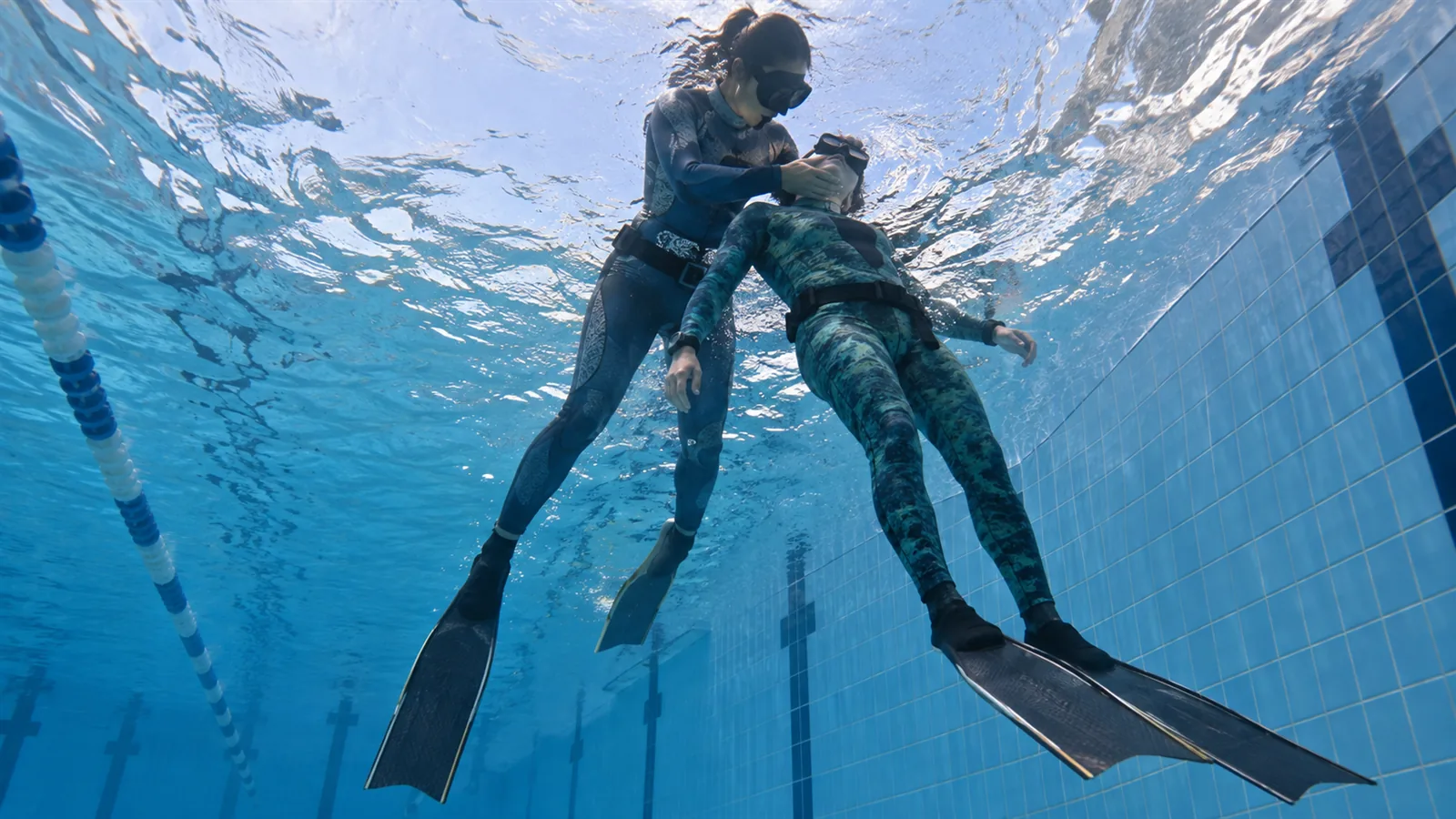
Freediving Stretching and Warm-up | What to Do Before Entering the Water
How should you stretch and warm up for freediving? Stretching cannot increase lung capacity, and intense stretching can temporarily reduce strength. This article explains the three sets of exercises to do, the three things to avoid, and the safety buddy check that matters more than stretching.
Oct 10, 202620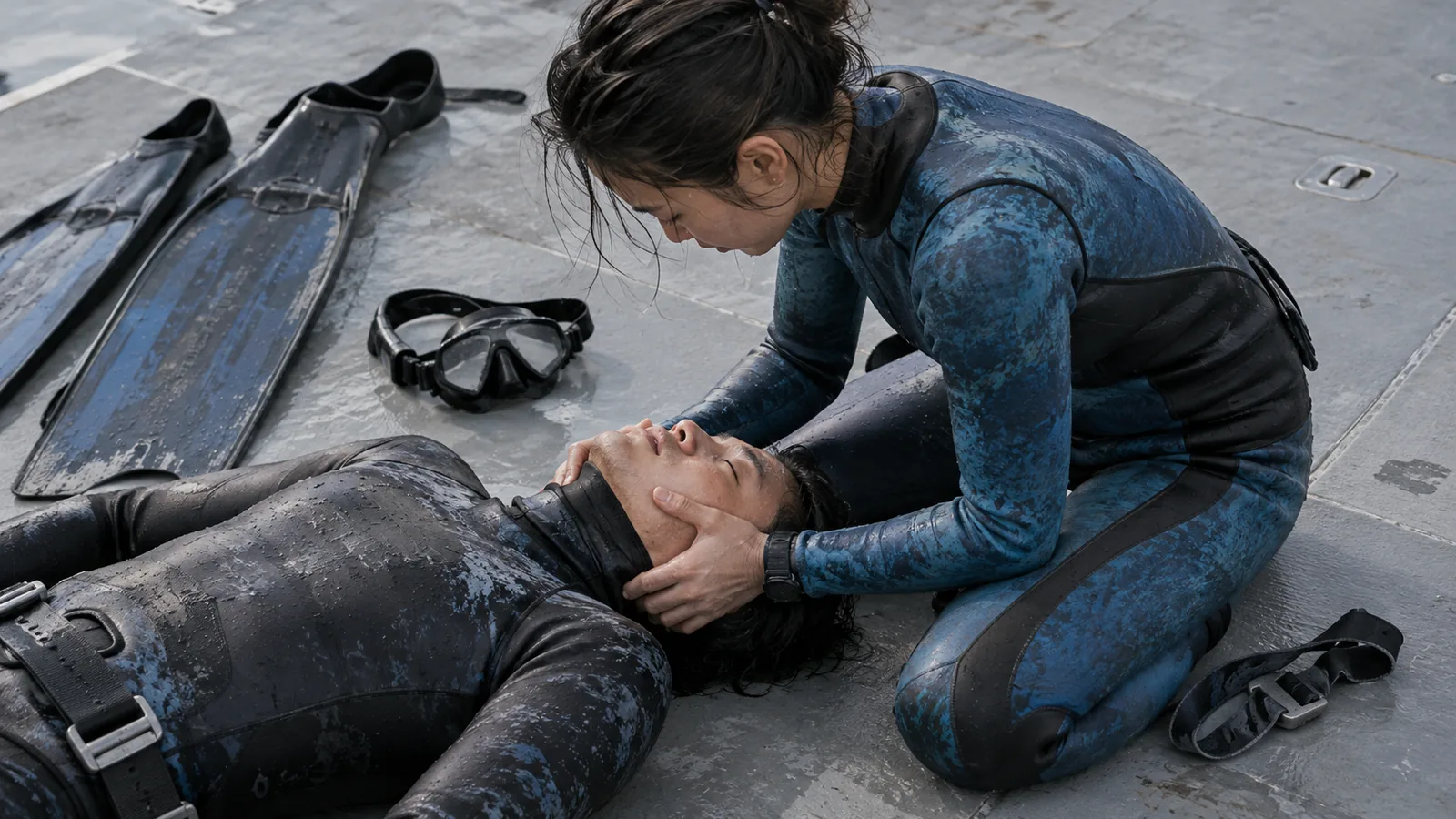
How Long After Freediving Can You Fly | Post-Dive Recovery and Intervals
How soon after freediving can you fly? There is no one-size-fits-all standard for freediving, so the only safe approach is to be more conservative. This article explains which variables determine the wait, how to allow a conservative interval, and the correct response if symptoms appear.
Oct 10, 202616Does freediving require decompression?
Yes. Freediving can also lead to decompression sickness; it is not a condition that only affects those wearing scuba tanks. With repeated deep dives and intervals that are too short, nitrogen will still accumulate progressively.
Oct 2, 202618Is freediving dangerous?
There are real risks, but they can be managed with rules. Accidents often happen not from diving deep, but from skipping a safety buddy, hyperventilating, and forcing depth.
Sep 20, 202626
Freediving Safety Guide | From Blackout to Buddy: The Non-Negotiables You Must Know | MyWowTrips
Is freediving safe? What is the biggest risk in freediving? Blackout (BO), hyperventilation, the buddy system, weighting, emergency response… Understand the safety fundamentals of freediving in one article.
Aug 25, 2026160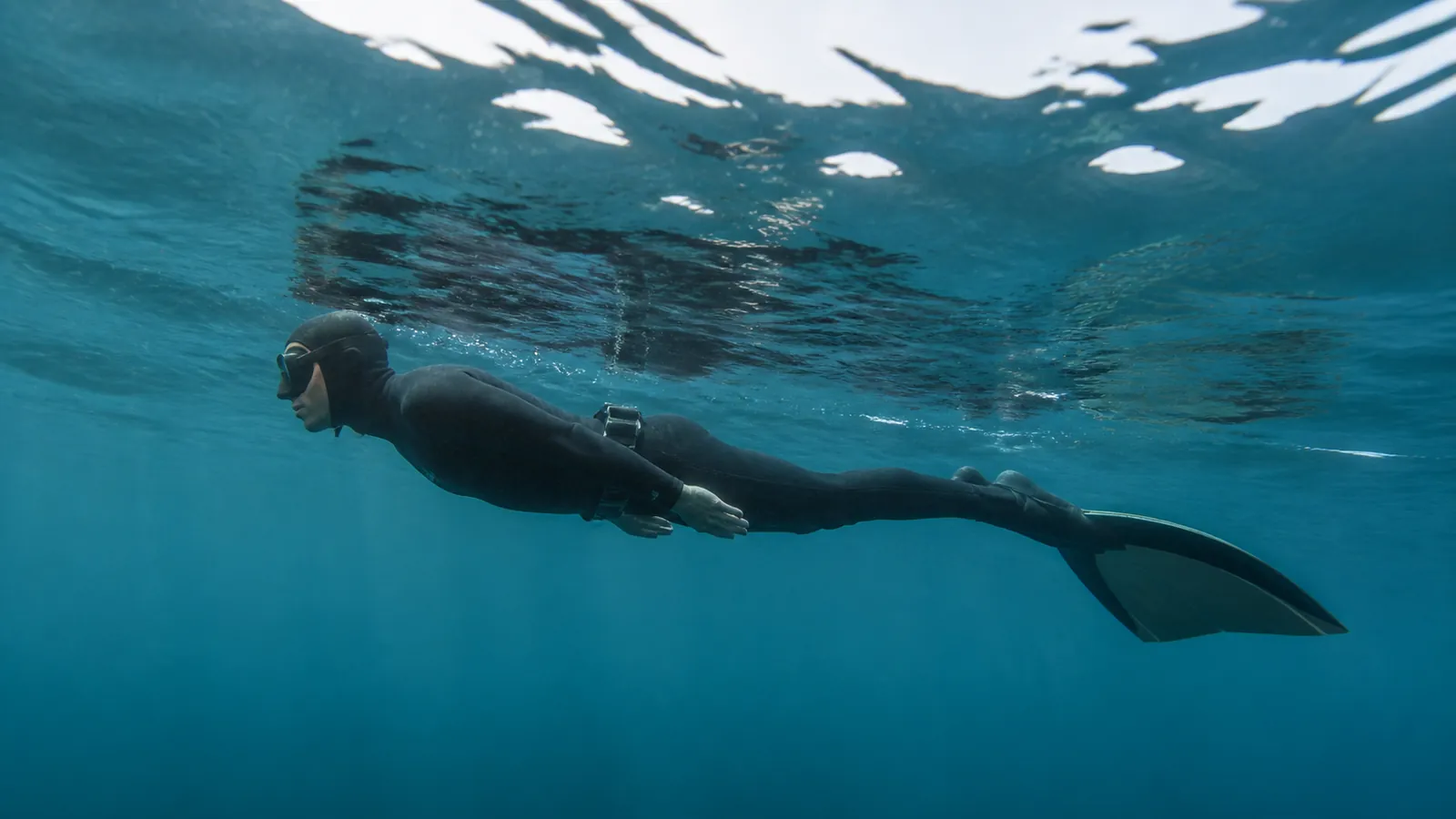
Freediving Breath-Hold Training: Safe Introduction and Progression Principles
Freediving breath-hold training: how do you practice safely? How dangerous is hyperventilation? Safe beginner principles from breathing relaxation to static apnea (STA), including health screening, buddy standards, and emergency response plans.
Aug 25, 2026142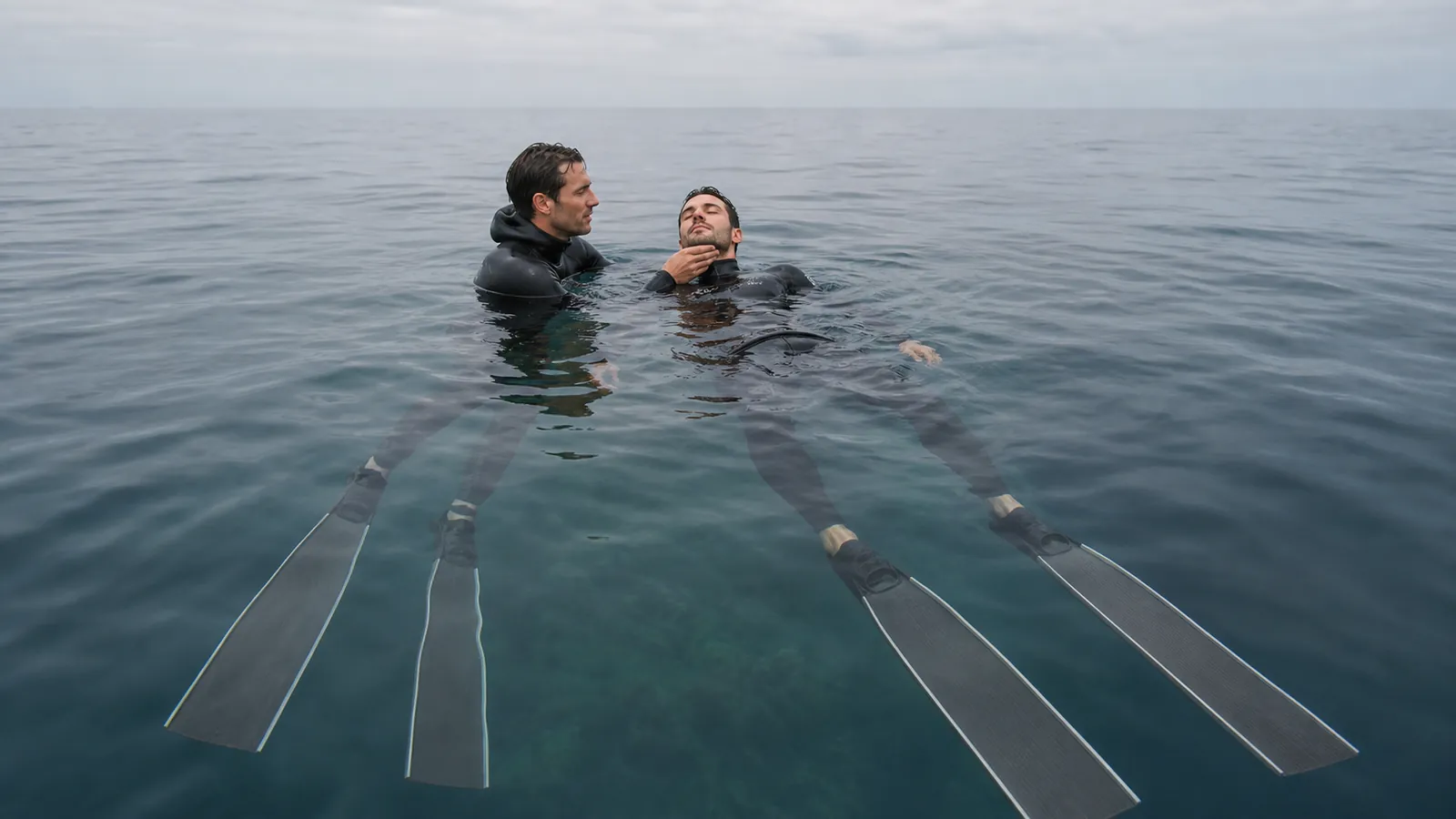
The Freediving Buddy System: Why Is Half of Your Safety Tied to Your Buddy?
How important is the freediving buddy system, really? Shallow-water blackout comes without warning, and your safety often depends on your buddy. This article explains buddy supervision, rescue procedures, and common misconceptions.
Aug 16, 2026216
How to Buy Dive Insurance | DAN vs DiveAssure Comparison and Recommendations
Dive insurance is not optional; it is mandatory. A single accident could ruin you financially, and insurance is the only protection that lets you dive with peace of mind.
Aug 10, 2026192
自由潜水常见伤病|挤压伤、减压病、耳压伤全解析
Freediving is not risk-free, but the risks are manageable. Learning about these injuries is not meant to make you afraid, but to help you enjoy diving more safely. Every descent should be made with knowledge and respect, not blind courage.
Aug 10, 2026214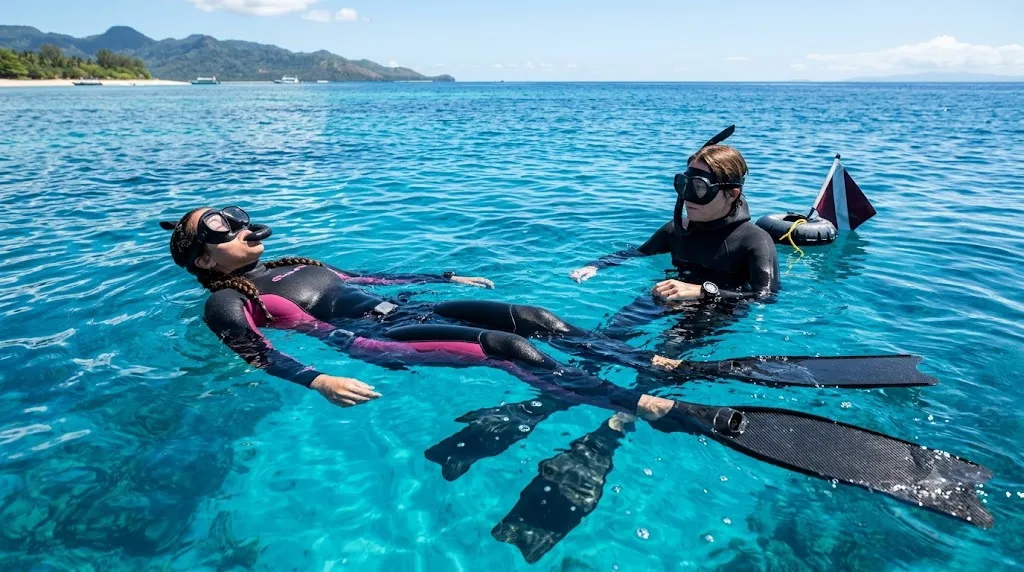
Freediving Safety Guide | BO, Shallow-Water Blackout, Risk Prevention and Control
The greatest risk in freediving is not sharks; it is hypoxia. This article is not meant to scare you—it only tells you where the dangers are and how to avoid them.
Jun 29, 202685