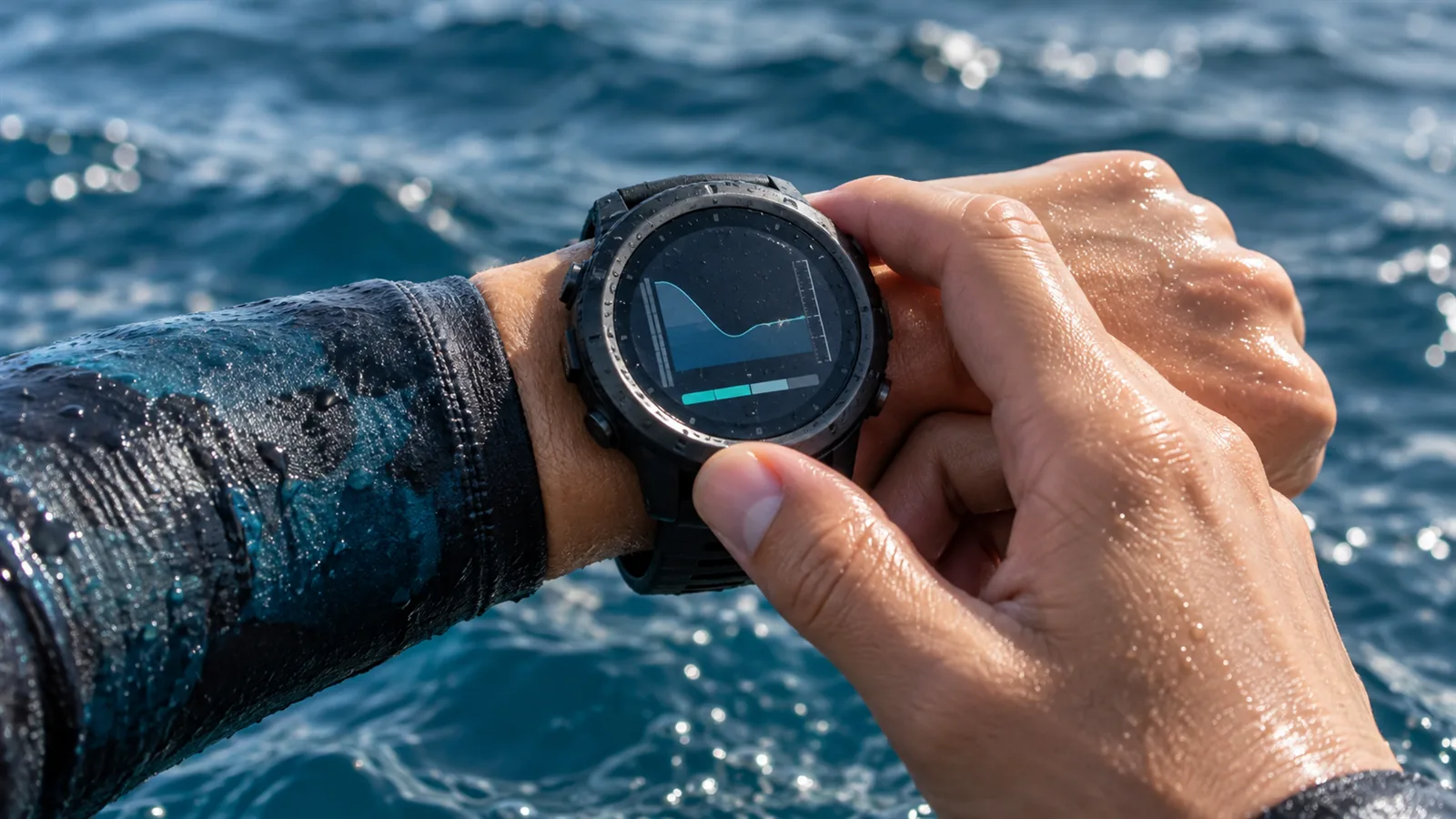
How to Choose a Freediving Computer | Suunto, Shearwater, Garmin Compared
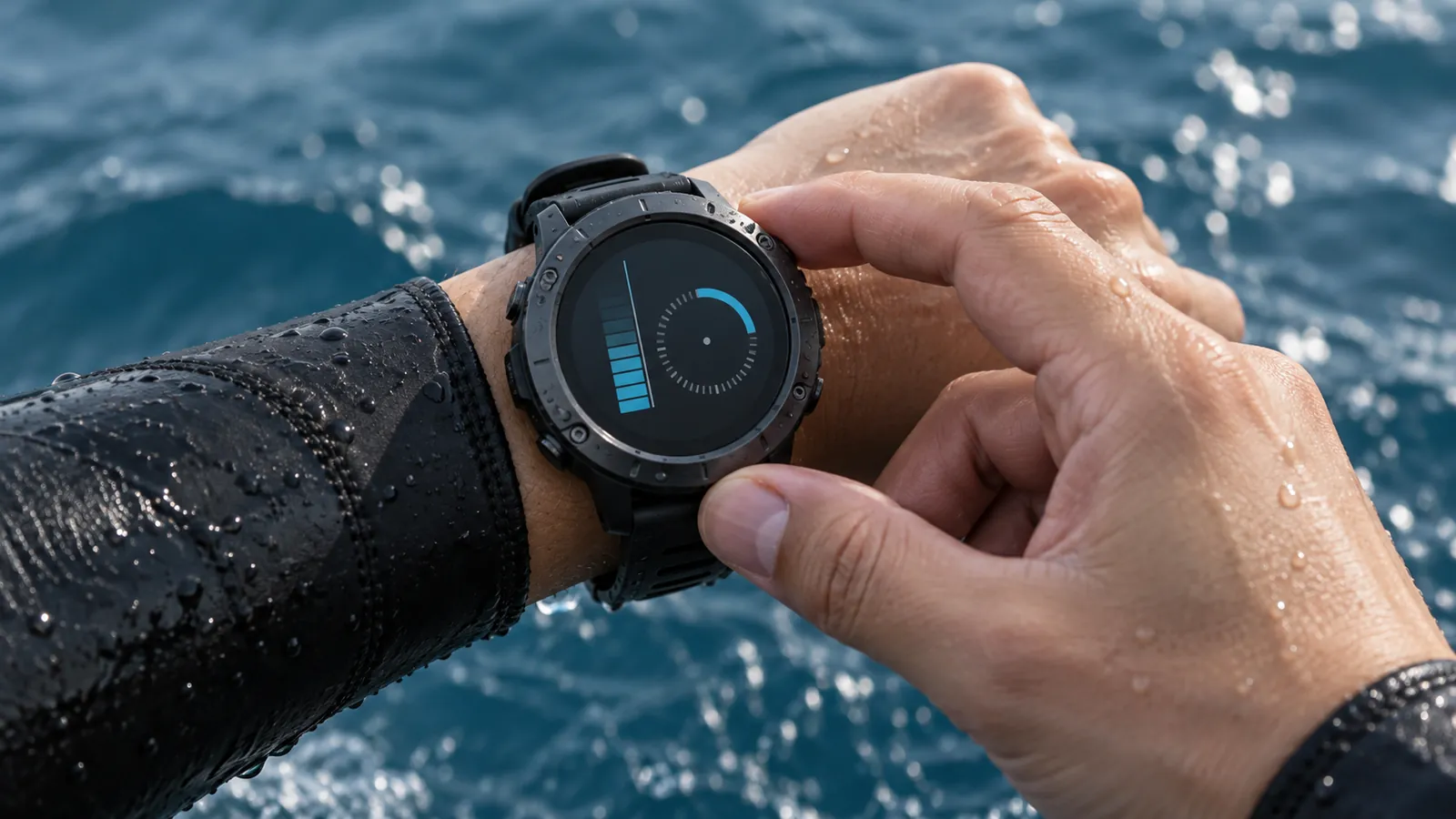 How to Choose a Freediving Computer | Suunto, Shearwater, Garmin Compared
Last month someone asked in the group: do I need to buy a dive computer before learning to freedive?
I said no.
But if you've started training in the water regularly and find yourself unable to remember how many dives you did today, what your deepest depth was, or how long it's been since your last surface—then you really do need one.
First, let's be clear: it records data, it doesn't take responsibility for your safety
In your first month as a beginner, you basically don't need one. Your instructor handles the line, calls depths, and reminds you about surface intervals. All you need to do is relax and not panic.
Here are a few signals that turn a dive computer from "want" into "need":
- You've started training in the water regularly and want an objective record
- By the end of the day you can't remember how many dives you did
- You want to know how long your surface intervals actually were
But one thing must be said first: a dive computer is only a recording and reminder tool. It can't replace your buddy, and it can't decide for you whether a dive should happen.
If you feel off or can't equalize, you come up no matter how good the numbers look. And any breath-hold underwater must have a dedicated buddy with rescue capability supervising—"I have a watch that shows data" is never a reason to dive alone.
Freediving watches and scuba watches differ more than you think
A lot of people's first reaction is "can't I just buy a scuba watch?" It works, but it'll feel awkward.
| Scuba watch | Freediving watch | |
|---|---|---|
| Sampling settings | Usually longer intervals | Offers shorter sampling options, so short dive profiles are easier to read |
| Core functions | No-decompression limits, tank pressure | Depth alerts, surface intervals, dive log |
| Usage rhythm | One dive can last tens of minutes | May start and stop many times in a day |
Different disciplines and training styles produce very different single-dive durations—static apnea, pool dynamics, and deep diving are not the same thing at all, so don't use "a few minutes per dive" for every scenario.
Three mainstream brands and who each one suits
Suunto: an established brand with options from entry to advanced, including one model designed specifically as an entry-level freediving watch. Restrained features, friendly price, suited to people who "just want depth and intervals." The downside is that it has fewer adjustable freediving settings than its competitors.
Shearwater: very well regarded in the deep freediving community. Taking its recent models as an example, they support freediving mode, and the alert methods, display content, and logging logic can be adjusted to your training needs. Specific features vary by model and firmware version, so read the manual for the exact model before buying—don't order based on brand reputation. Prices run high, but if you train deep or compete, many people end up choosing it.
Garmin: takes an all-rounder approach. Note that it's the Descent dive series—not every Garmin watch supports diving. Besides diving, it handles running, cycling, and swimming, and works for daily wear, so it suits people who "don't just want a dive watch." Its pure freediving capability isn't as strong as the first two, but the convenience of one watch covering all sports is real.
Cressi, Mares, and Salvimar also make these, with a wide price range. Don't pick by brand first—write down what features you need.
Confirm these things before buying
- Does it have a dedicated freediving mode—a watch with only scuba mode will make surface intervals and dive logging hard to use
- Does it have depth, time, and surface interval alerts—test both sound and vibration before you get in the water; a wetsuit and current can make them harder to notice
- Can the sampling interval be set short enough—this isn't an industry standard, it's a question of "do you want to see the profile clearly"
- Will you wear it over or under your wetsuit—if wearing it outside the sleeve, leave enough strap length, or use an extension strap
- Battery life—if you do dozens of dives a day, don't pick one that needs charging daily
As for price, the following is only a rough picture from a specific point in time; always check the official price for the exact model and local channels: entry level around one to two thousand yuan, mid-range two to three thousand, professional level four to five thousand and above.
Finally, a lesson from my own experience
My first watch was the one with the most features. Two years later, the only ones I actually used were three: current depth, surface interval, and dive log.
I never opened the rest even once.
So if you're torn between two models, one with more features but twice the price—first ask yourself whether you'll use them. Most people won't.
The watch is a recording tool. The buddy system, equalization management, and recovery breathing are what keep you alive. Don't let data become your reason to push depth; depth and time must follow training level, personal condition, environmental factors, and your buddy's rescue capability.