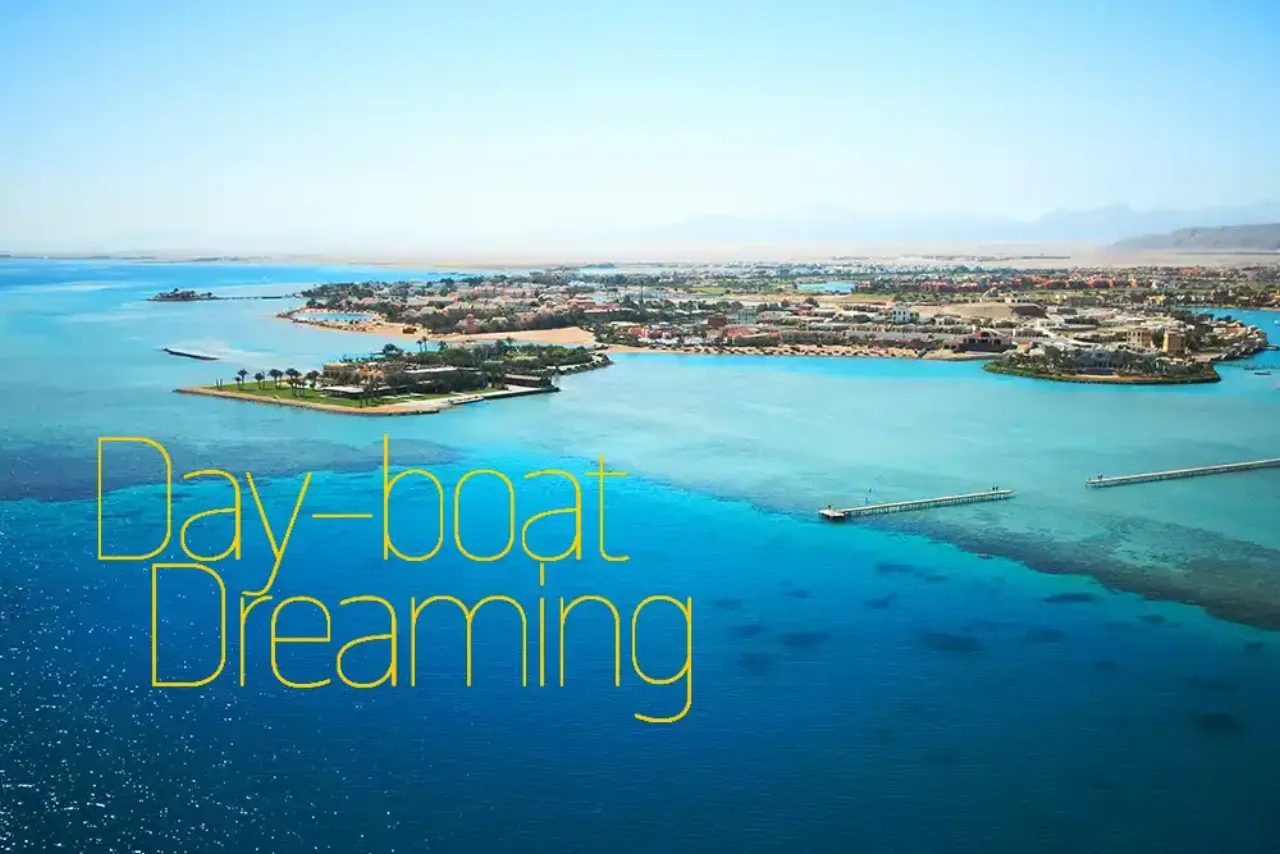
Day boat diving in Egypt is a pleasure. It was on a boat like this that I first fell in love with diving. Everything is so easy: the reefs are excellent, the marine life is amazing, the lunch is delicious, the people on board come from all over the world, the crew are friendly and welcoming, and during the one-hour crossing to the dive site there is time to think about the meaning of life and get a tan along the way… pure happiness. I had almost forgotten how much I enjoy this well-run routine. For nearly 20 years I was drawn to the wonders of the southern Red Sea and Indo-Pacific reefs, and I switched to liveaboard diving.
So it was a real joy to return to El Gouna for a week of diving and find that everything had got even better. Much was reassuringly familiar — arriving relaxed at 8 a.m. at a well-run dive centre, being directed to the day's boat, exchanging friendly greetings while taking off your shoes, and then checking that the gear is neatly placed under the cylinder (now with the added option of nitrox). The boats themselves look much the same — mostly painted white, less than 30 metres long, to avoid the punitive tax increase that a larger size brings. The layout is as usual: below deck is the dive deck and the lounge, where lunch is served later; the top deck is for stretching out, reading or just dozing in the sun.
Image source: divemagazine.com (image copyright belongs to the original author; to request removal, please contact: support@mywowtrips.com)
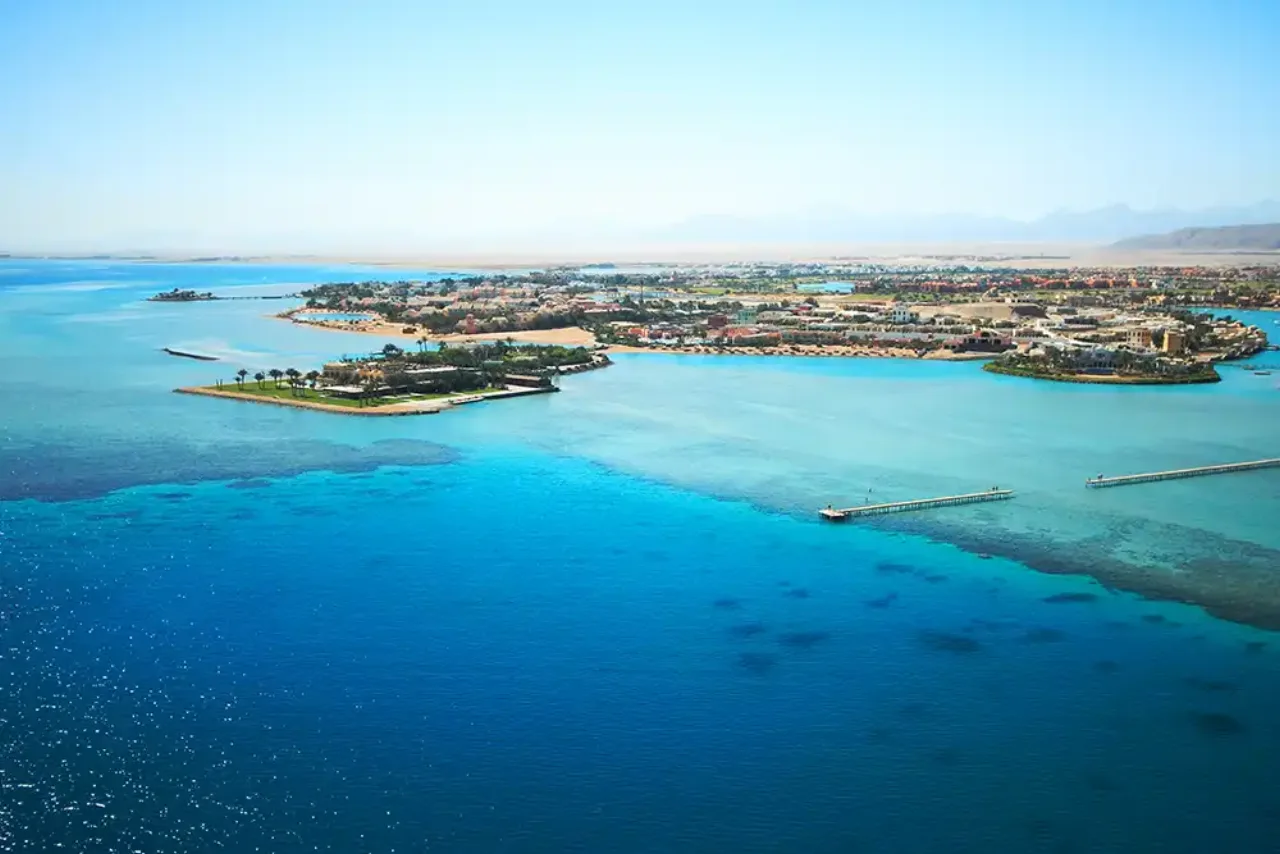
Image source: divemagazine.com (image copyright belongs to the original author; to request removal, please contact: support@mywowtrips.com)
The change I noticed, however, was that it felt less crowded. The busier boats are the ones packed with day-trip snorkellers. Talking to other regular Red Sea divers confirmed that this seems to be the trend now. Divers are still a mix of ages and nationalities, just as I remembered. That day there was a Finnish family, with two teenagers completing their rescue diver course while their parents dived the reefs at a relaxed pace; also several Germans, a Swiss woman and two French divers. The biggest difference was that there were far fewer of us than on the crowded boats I used to join in Sharm and Hurghada, where more than 20 divers were packed on board. This means much smaller groups underwater — at most 8 in a morning, but usually only 6 or 4. Another clear difference is that all the dive guides are local Egyptians, and their pride in and care for the underwater paradise is a delight. As we approached the first dive site, Careless Reef, my heart sank a little — a large fleet of boats was already moored there. But when we passed the group of day-trip boats and moored well away at the southern end of the reef — with only our dive boat in sight — my smile came back. That was more or less how the week went. Only once did we meet divers from another boat underwater, and we rarely moored alongside other boats. Diving these still excellent, relatively healthy reefs in such solitude felt like a new experience. Even on most liveaboards, you usually dive with a much larger group than three or four companions.
Source: divemagazine.com · Original article · Image source: divemagazine.com (image copyright belongs to the original author; to request removal, please contact: support@mywowtrips.com)
MyWowTrips.com Editor