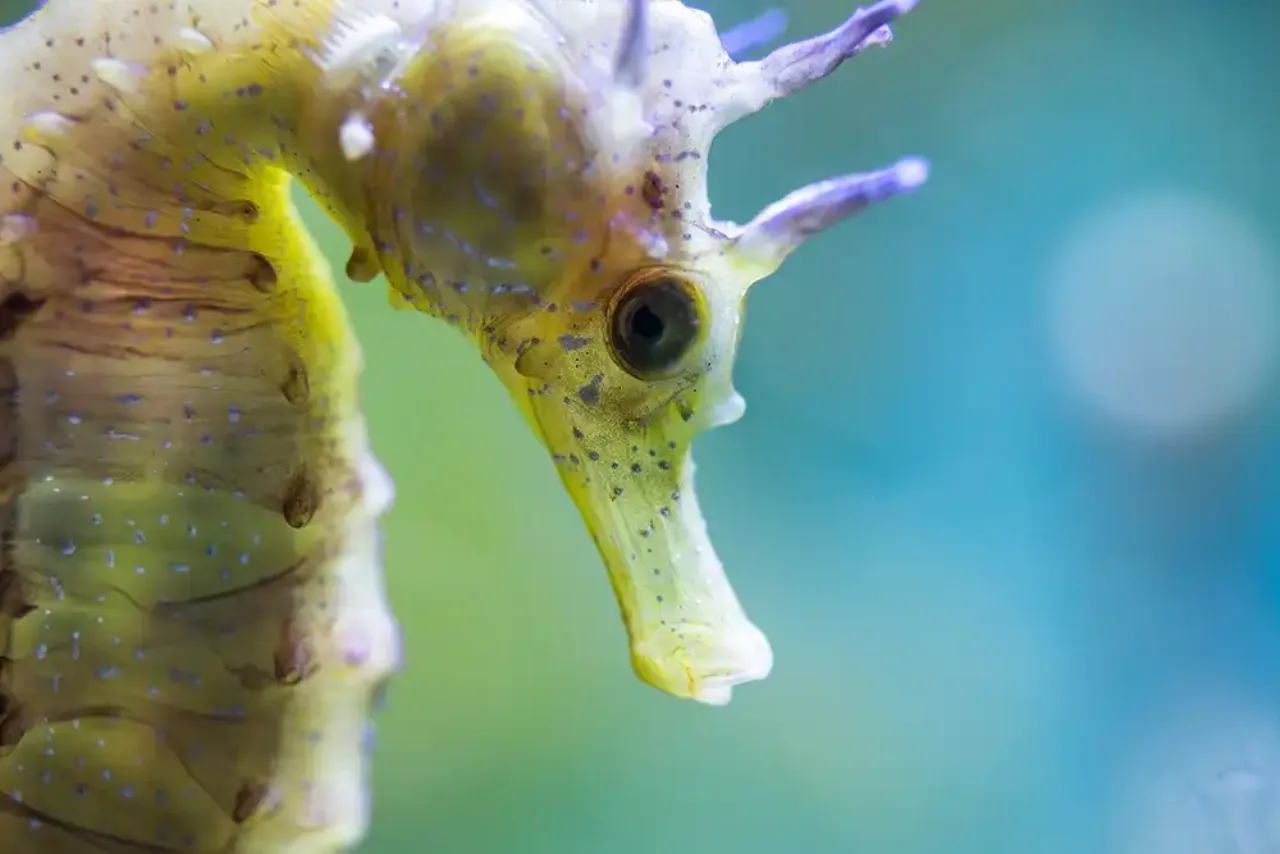
The Marine Management Organisation (MMO) in the UK recently issued a statement reminding divers, snorkellers, photographers and filmmakers that a wildlife licence is required to deliberately disturb wild seahorses, including photographing or filming them. The MMO said the warning was issued after “several incidents of seahorse disturbance were recently observed” and aims to raise public awareness of the legal protection for the UK’s two native seahorse species. The UK’s spiny seahorse (Hippocampus guttulatus) and short-snouted seahorse (Hippocampus hippocampus) are both protected under the Wildlife and Countryside Act 1981 and the Control of Trade in Endangered Species Regulations 2018.
Anyone who intentionally dives or snorkels in a way that may disturb seahorses must hold a wildlife licence, which is usually only for scientific research and educational purposes. In addition, applications to use flash when photographing seahorses will be considered on a case-by-case basis. This rule stems from a 2014 study, which found that the stress caused to seahorses by repeated flash photography may have a negative effect on their health. Jess Churchill-Bissett, Head of Marine Conservation (Wildlife) at the MMO, said: “We understand the strong interest in and fascination with our native seahorse species, but they are very fragile, sensitive marine animals and are highly vulnerable to disturbance from human activity. We know that many incidents stem from a lack of legal awareness, so we want people to understand that seahorses are protected by law and that deliberately disturbing them without a licence may lead to enforcement action. This applies to all divers, snorkellers and film and television production companies, who must understand their legal obligations when intentionally looking for seahorses.”
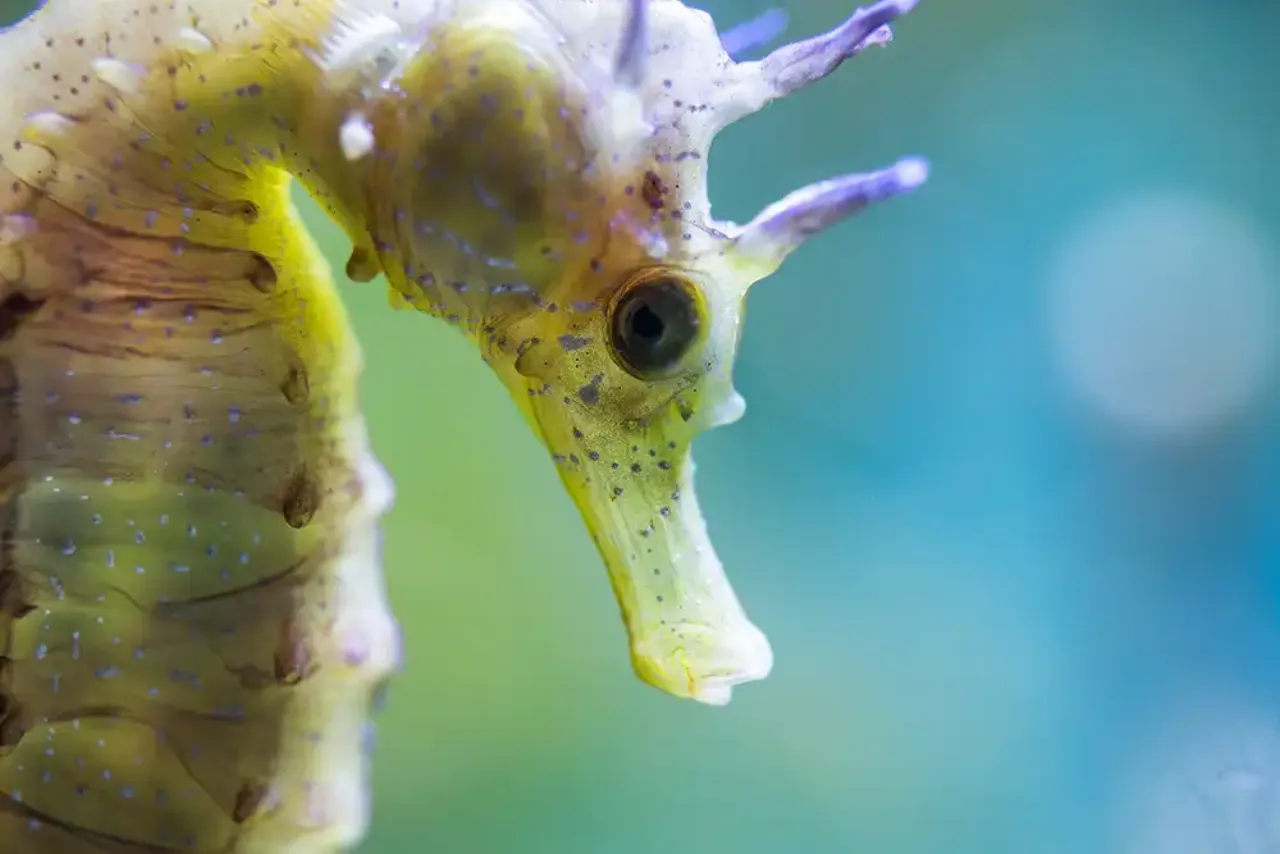
Image source: Divemagazine (Image copyright belongs to the original author. For infringement, please contact for removal: support@mywowtrips.com)
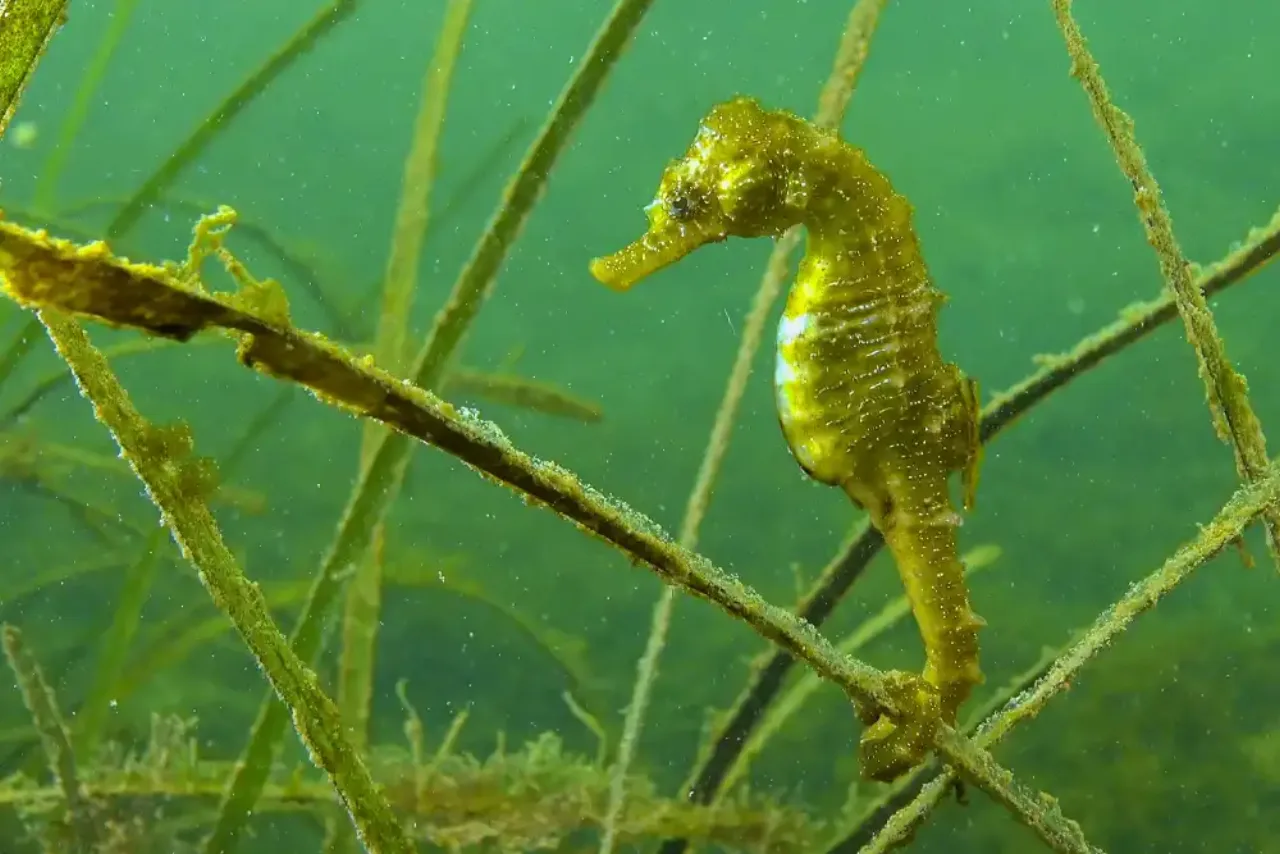
Image source: Divemagazine (Image copyright belongs to the original author. For infringement, please contact for removal: support@mywowtrips.com)
The MMO advises anyone who encounters a seahorse while swimming, snorkelling or diving to observe it for no more than five minutes, never to touch or move the seahorse, to avoid a crowd gathering around it, and not to chase it if it swims away. If the seahorse shows signs of stress, including abnormal swimming, rising into the water column, curling its body or darkening in colour, the MMO advises divers to slowly back away to at least five metres and avoid sudden movements. If you find a live seahorse that is stranded or has been accidentally caught, the MMO advises gently placing it in a bucket of cold seawater, taking photos without flash, returning it to the sea at the location where it was found as soon as possible, and reporting the sighting to Natural England’s seahorse team and The Seahorse Trust. Neil Garrick-Maidment, Executive Director and Founder of The Seahorse Trust, said: “Seahorses are delicate and sensitive animals, and if you see one or accidentally catch one, you must take extra care.”
Source: Divemagazine · Original link · Image source: Divemagazine (Image copyright belongs to the original author. For infringement, please contact for removal: support@mywowtrips.com)
Edited by MyWowTrips.com