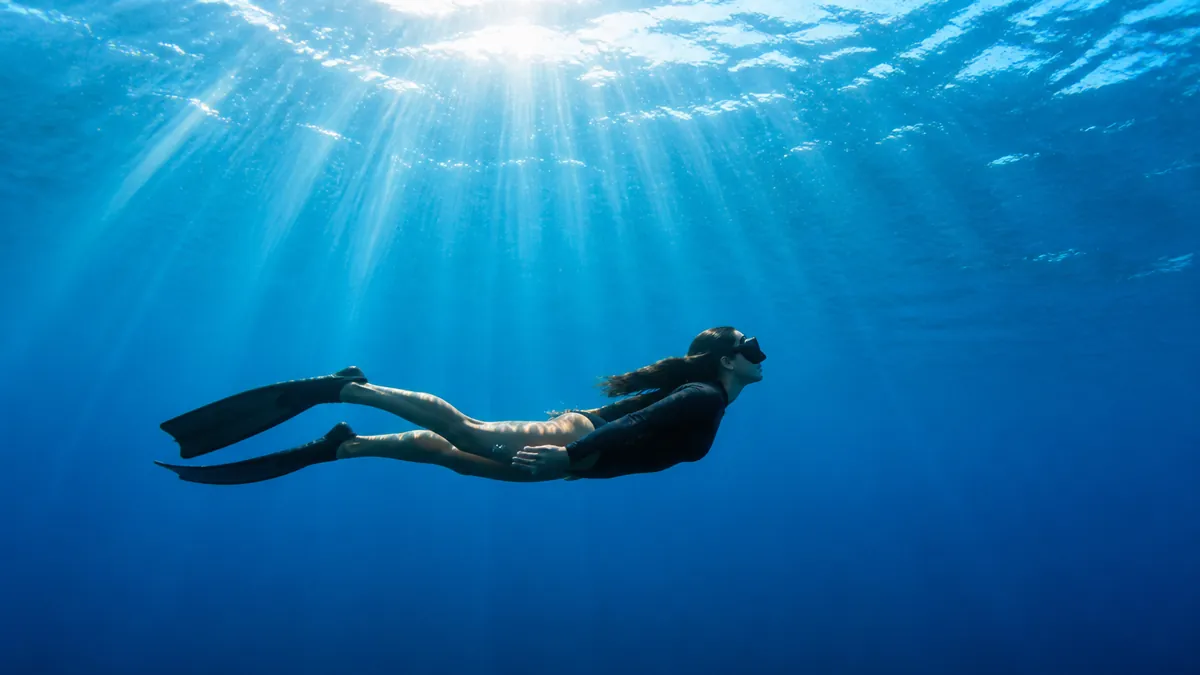
What Is AIDA Freediving|Certification System and Courses Explained
Let’s answer the question you care about most first: Do you have to choose AIDA freediving?
Not necessarily. AIDA (Association Internationale pour le Développement de l'Apnée) is one of the most focused and best-known international certification systems in freediving, but it is not right for everyone. When choosing an AIDA freediving certification, the key is your goal: whether you want technical depth or just a safe introduction.
Why AIDA Has Such a High Standing in the Freediving Community
AIDA is the only international certification organization whose core mission is freediving. It has education for the sport as its sole goal, and its course system, assessment standards, and depth progression path have a very high reputation in the global freediving community.
Differences Between AIDA and PADI/SSI Freediving
Compared with the freediving courses of PADI (a comprehensive diving agency) and SSI (a science-based teaching system), AIDA's teaching content is more focused on freediving itself, emphasizes breathing control, equalization, relaxation, and depth management, and its assessments are stricter, so many divers who pursue technical accuracy regard it as the "orthodox" system. It must be emphasized that no matter which system you choose, correctly mastering safety standards is most important, because freediving is a high-risk sport and any negligence can lead to serious consequences.
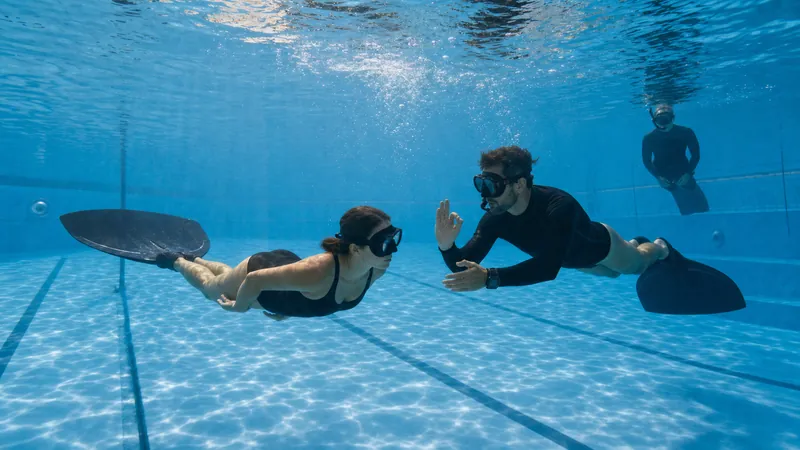 AIDA freediving course pool training
AIDA's Origins and Philosophy
AIDA originated in Europe and developed from competitive freediving. Its courses emphasize gradual progression and safety first, encouraging every student to understand their own body and limits rather than blindly pursuing depth. Safety courses are always a core part of AIDA teaching, including the buddy system, recognition of incapacitation, and rescue training.
AIDA Freediving Course Structure
AIDA courses are divided into clear levels, progressing from entry level to instructor, and each level sets clear safety boundaries for depth, breath-hold, and in-water skills.
AIDA 1: Introductory Experience
For students with no prior experience, it includes theory instruction and pool/confined water practice. The goal is to build awareness of relaxation and safety and to pass basic tests. This stage does not involve depth pressure; the focus is on becoming familiar with equalization and breathing rhythm.
AIDA 2: Beginner Certification
The most popular level among beginners. The course includes three parts: theory, pool, and open water. The goal is to complete assessments for about 16-20 m depth, static apnea, and in-water skills. It is the formal entry-level freediving certificate. All depth training must be conducted under the guidance of a qualified buddy and instructor.
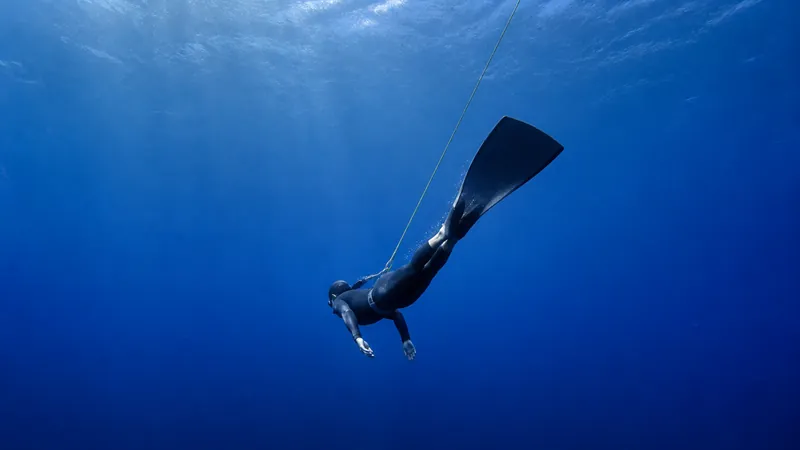 AIDA depth training
AIDA 3 / AIDA 4: Advanced Depth
For experienced students. AIDA 3 progresses to about 24-30 m, while AIDA 4 reaches 32-40 m and begins to cover more complex neutral buoyancy, in-water positioning, and buddy rescue techniques. Before reaching deeper depths, you must be able to consistently complete the technical requirements at shallower depths and always remain alert to safety signals.
AIDA Instructor Courses
From assistant instructor and instructor to higher levels, AIDA provides a complete progression path for freediving teaching qualifications, suitable for divers who want to turn their hobby into a career and are committed to taking on teaching responsibilities.
How to Choose? AIDA vs. Other Freediving Certifications
| Comparison Item | AIDA | PADI Freediving | SSI Freediving |
|---|---|---|---|
| Certification Focus | Freediving-specific | General diving | Science-based teaching system |
| System Focus | High | Medium | Medium |
| Assessment Strictness | Relatively strict | Moderate | Moderate |
| Instructor Progression Path | Complete | Complete | Complete |
| Dive Shop Recognition | High | Very high | High |
| Suitable For | Technical enthusiasts | Those seeking broad recognition | Those seeking a structured system |
My Recommendations
- For students who pursue technical depth and recognize the "orthodox freediving system": AIDA is more focused and has stricter assessments.
- For those who want a globally accepted certificate with the widest dive shop coverage: PADI is a more reliable choice.
- For students who value science-based teaching and are still considering their options: SSI is a good neutral choice.
What You Need to Know Before Getting Certified
Before investing time and money, there are several key points worth thinking through, as they directly affect your learning experience and safety.
Find a Qualified Instructor
The ultimate value of a certification system depends on the person teaching. A responsible instructor will pay attention to your individual differences, patiently correct your equalization and movement details, and not just teach by rote. Before signing up, learn more about the instructor's qualifications, experience, and student reviews. If needed, take an introductory course first to see whether it suits you.
Clarify Your Certification Goal
Do you want to get a general entry-level freediving certificate, or do you plan to develop your skills over the long term, challenge greater depths, and even become an instructor later? Different goals correspond to different course paths. Thinking it through in advance can help you avoid repeating courses and save time and money.
Prepare Physically and Mentally
Freediving requires a certain level of relaxation and tolerance. Before getting certified, it is recommended to do basic aerobic training and breathing exercises, and to honestly assess your ear pressure sensation and psychological comfort with depth. People with chronic middle ear infections or heart or lung conditions must consult a doctor first and follow professional advice.
Safety Always Comes First
No matter which level of certification you get, freediving safety is always in your own hands. Be sure to follow the one-to-one buddy system, increase depth gradually, and pay attention to your physical and mental signals at all times. Any professional instructor will repeatedly emphasize: only when safety standards are properly followed can you comfortably enjoy the underwater world.
Freediving is a rigorous sport. Proper instruction and a strict safety mindset are the foundation for comfortably diving underwater. Choosing a certification system that suits you, finding an instructor you trust, and improving steadily through consistent, standards-based training are more important than chasing bigger depth numbers. To start this freediving journey, you might begin by learning about certification courses in your city and booking an introductory course.